
Soporte de Instagram por DM para ecommerce: seguimiento de pedidos y recuperación de carritos abandonados que realmente convierten
Convierte los DMs de Instagram en un canal de ecommerce de alta intención para seguimiento de pedidos, soporte y recuperación de carritos abandonados que realmente convierten.
Por qué el soporte por DM en Instagram es importante para el ecommerce
La mayoría de los equipos de ecommerce se obsesionan con los flujos de email, las campañas de SMS y el chat en el sitio. Pero pasan por alto uno de los canales de mayor intención que ya tienen: el soporte por DM en Instagram.
Instagram es donde los compradores descubren productos, piden opiniones a amigos, guardan publicaciones y tocan las Stories. Cuando llegan a tus DMs, a menudo están más cerca de la compra que en cualquier otro canal.
Según Meta, 1.000 millones de personas envían mensajes a una cuenta de empresa cada semana en sus aplicaciones. Para las marcas de ecommerce, eso significa que los DMs ya no son solo para gestión de comunidad: son un embudo activo de ventas y soporte.
Cuando conectas flujos de ecommerce como el seguimiento de pedidos y la recuperación de carritos abandonados a los DMs de Instagram, obtienes tres beneficios acumulativos:
- Mayores tasas de respuesta que el email, porque los clientes ya revisan Instagram varias veces al día.
- Contexto más rico mediante publicaciones de producto, Reels y UGC que puedes referenciar directamente en la conversación.
- Resolución más rápida, ya que los clientes pueden preguntar, aclarar y confirmar en un mismo hilo continuo.
Bien hecho, el soporte por DM en Instagram para ecommerce convierte a usuarios que solo estaban haciendo scroll en clientes leales, mientras recupera silenciosamente ingresos que se habrían perdido por carritos abandonados y fricción en el soporte.
DMs de Instagram vs email y SMS para seguimiento de pedidos y recuperación
El email y el SMS siguen siendo importantes. Pero cuando se trata de soporte en tiempo real, seguimiento de pedidos y empujones de carrito abandonado, los DMs de Instagram a menudo ganan.
Cómo los DMs de Instagram superan al email para soporte de ecommerce
El email es ideal para recibos y contenido de formato largo. Es lento para conversaciones. Los DMs, por diseño, son conversacionales e inmediatos.
- Visibilidad: Las notificaciones de Instagram son más difíciles de ignorar que el desorden del buzón de correo.
- Velocidad: Los clientes esperan un ida y vuelta tipo chat, no retrasos de 24–48 horas.
- Contexto: Puedes referenciar la publicación o Story exacta que generó su pregunta.
DMs de Instagram vs SMS para recuperación de carritos abandonados
El SMS tiene tasas de apertura altísimas, pero está limitado: texto corto, normas estrictas de cumplimiento y poco contexto visual. Los DMs te dan:
- Contenido multimedia enriquecido: Envía fotos de productos, guías de tallas y Reels de “cómo usarlo” en el mismo hilo que tu mensaje de recuperación.
- Menos fricción: Los clientes ya están en Instagram cuando ven tu mensaje.
- Conversación bidireccional: Puedes responder objeciones (envío, talla, devoluciones) en el momento.
Para la mayoría de las marcas de ecommerce, la jugada ganadora no es DMs o email o SMS, sino usar los DMs de Instagram como la capa conversacional que se sitúa por encima de tu stack actual.
Fundamentos del soporte por DM en Instagram para ecommerce
Antes de automatizar el seguimiento de pedidos o lanzar flujos de carritos abandonados por DM, necesitas unos buenos fundamentos. Trata el soporte por DM en Instagram como cualquier otro canal principal.
1. Define casos de uso claros para el soporte por DM
Empieza decidiendo qué gestionará tu equipo dentro de los DMs de Instagram y qué redirigirá a otros lugares. Algunos casos de uso comunes de DMs para ecommerce incluyen:
- Preguntas previas a la compra: ajuste del producto, tallas, ingredientes, compatibilidad.
- Seguimiento de pedidos: “¿Dónde está mi pedido?”, fecha estimada de entrega, problemas con el enlace de seguimiento.
- Recuperación de carritos abandonados: seguimiento después de una consulta por DM o un toque en un producto.
- Soporte postcompra: devoluciones, cambios, artículos dañados o faltantes.
- Venta social: recomendar productos según fotos o preferencias.
2. Crea pautas de respuesta por DM y tono de voz
Instagram es informal, pero aun así necesitas estructura. Crea un breve playbook de DMs que cubra:
- Voz de marca: cercana pero clara; con emojis o sin emojis; cuán formal quieres sonar.
- Objetivos de tiempo de respuesta: p.ej., “Respondemos a todos los DMs en un plazo máximo de 1 hora laboral”.
- Reglas de escalado: cuándo mover una conversación a email, teléfono o tickets de soporte.
- Políticas de reembolso y descuentos: qué pueden ofrecer los agentes dentro de los DMs para salvar una venta.
3. Conecta Instagram con tu stack de ecommerce
Para ofrecer seguimiento de pedidos y recuperación de carritos abandonados reales dentro de los DMs, necesitas datos. Como mínimo, conecta:
- La cuenta de empresa de Instagram a tu Meta Business Suite.
- Shopify, WooCommerce o tu plataforma de ecommerce mediante una herramienta de automatización de DMs.
- Tu help desk (p.ej., Help Scout, Gorgias, Zendesk) para centralizar conversaciones entre canales.
Esta integración te permite extraer el estado del pedido, el contenido del carrito y el historial del cliente directamente en el hilo de DMs.
Flujos de seguimiento de pedidos por DM en Instagram que los compradores adoran
Los tickets de “¿Dónde está mi pedido?” pueden abrumar a los equipos de soporte. La buena noticia: la mayoría se puede manejar con flujos automatizados de DMs en Instagram que se sienten personales.
Plano del flujo de DMs para seguimiento de pedidos
Aquí tienes una estructura sencilla pero potente que puedes implementar con la mayoría de herramientas de automatización de DMs de Instagram:
- Disparador: El cliente envía un DM con palabras clave de intención de seguimiento como “estado del pedido”, “seguir”, “dónde está mi pedido”.
- Identificación: El bot pide el email o número de pedido usado en el checkout.
- Búsqueda: La integración consulta tu plataforma de ecommerce para encontrar pedidos coincidentes.
- Respuesta: El bot responde con el estado en tiempo real, enlace de seguimiento y fecha estimada de entrega.
- Venta adicional / siguiente paso: Ofrece contenido o productos relevantes una vez resuelto el problema.
Ejemplo: guion de DMs para seguimiento de pedidos
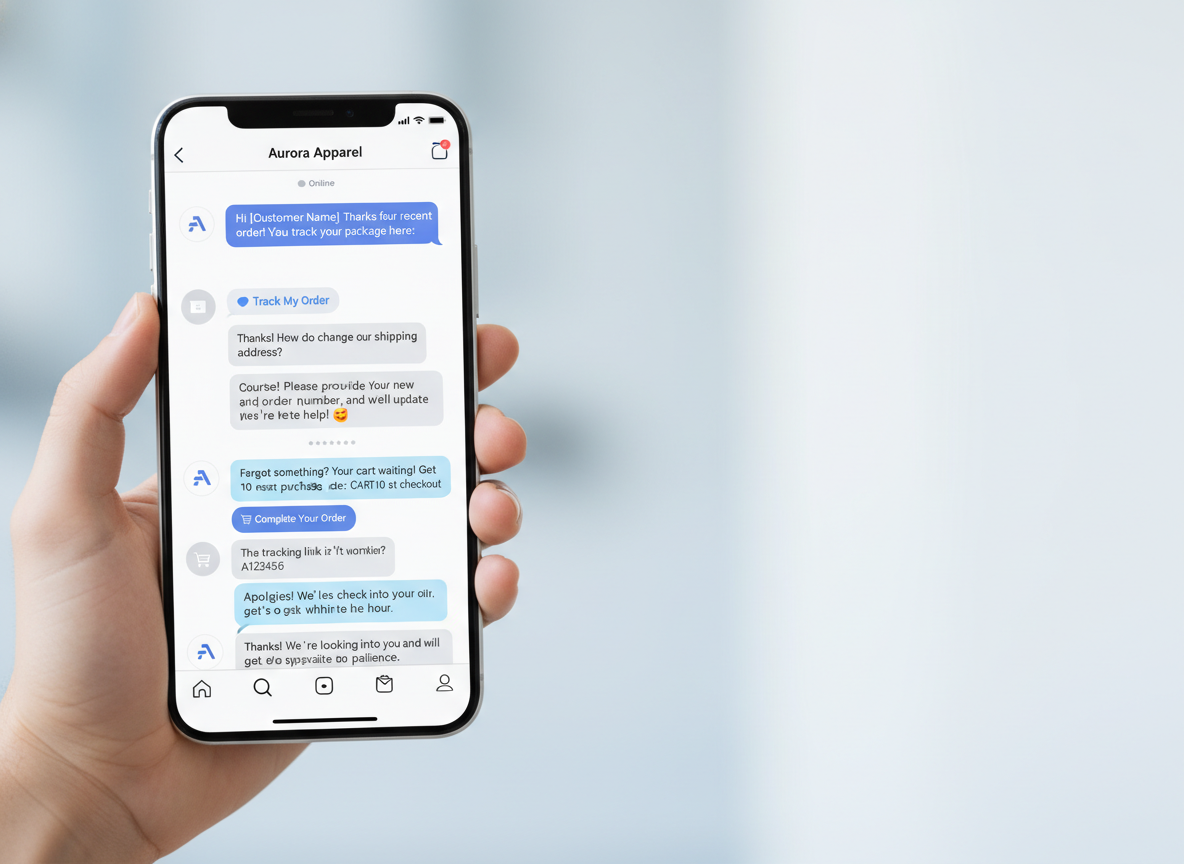
Así podría verse una conversación fluida por DM:
Cliente: Hola, ¿puedo seguir mi pedido por aquí?
Bot de la marca: ¡Claro! Puedo ayudarte con eso. ¿Qué email o número de pedido usaste en el checkout?
Cliente: jane@example.com
Bot de la marca: Listo, gracias Jane. Encontré tu pedido #1845. Está en camino y se espera que llegue el jueves 5 de enero. Puedes seguirlo aquí: Ver seguimiento.
Bot de la marca: Mientras esperas, ¿quieres ver 3 ideas de estilo para tu nueva chaqueta?
Mejores prácticas clave para el seguimiento de pedidos por DM
- Usa disparadores de lenguaje natural: Entrena tu bot para reconocer variaciones como “dónde está mi paquete” o “actualización de entrega”.
- Confirma la identidad de forma ligera: Pide email o número de pedido, no datos personales completos.
- Maneja casos excepcionales: Si no se encuentra ningún pedido, deriva a un humano con un mensaje claro: “No he podido encontrar tu pedido; nuestro equipo se unirá a la conversación en un plazo de 30 minutos”.
- Cierra el bucle: Termina con un siguiente paso útil: instrucciones de cuidado, consejos de estilo o una invitación a tu programa de fidelidad.
Mini caso de estudio: reducir los tickets WISMO un 40% con seguimiento por DM
Una marca de moda de tamaño mediano conectó su tienda de Shopify a una plataforma de automatización de DMs de Instagram. Configuraron un flujo sencillo que respondía a los DMs de “¿Dónde está mi pedido?” en menos de 10 segundos.
En 60 días, vieron:
- Un 40% menos de tickets WISMO en su bandeja de email.
- Un 65% de DMs de seguimiento de pedidos totalmente resueltos sin intervención humana.
- Un aumento del 9% en pedidos recurrentes de clientes que hicieron clic en contenido de estilo después del seguimiento.
Esto liberó a los agentes de soporte para centrarse en problemas complejos y acciones proactivas.
Recuperación de carritos abandonados con DMs de Instagram
El abandono de carritos es inevitable, pero dejarlo sin gestionar es opcional. Los DMs de Instagram pueden convertirse en un canal de recuperación de carritos abandonados de alto rendimiento cuando conectas el comportamiento en tu sitio con las conversaciones en la app.
Cómo funciona la recuperación de carritos abandonados por DM en Instagram
Hay dos vías principales para activar flujos de recuperación por DM:
- Social primero: El comprador interactúa con tu contenido en Instagram (p.ej., toca una etiqueta de producto, responde a una Story o comenta con una palabra clave), luego visita tu sitio y abandona un carrito.
- Sitio primero: El comprador ya está en tu CRM o lista de DMs (se dio de alta mediante una palabra clave por DM o un anuncio de clic a DM). Cuando abandona un carrito, tu sistema desencadena un recordatorio por DM en lugar de (o además de) email/SMS.
Secuencia de DMs de carrito abandonado con alta conversión
Piensa en la recuperación por DM como una breve conversación humana, no como un envío masivo unidireccional. Una secuencia sencilla de 3 toques funciona bien:
- Recordatorio (dentro de 1–2 horas): Empujón suave con imagen del producto y enlace directo al checkout.
- Manejo de objeciones (24 horas): Pregunta qué les está frenando y ofrece ayuda con tallas, envío o devoluciones.
- Incentivo final (48–72 horas): Pequeño descuento opcional o bonus si completan la compra.
Ejemplo: flujo de DMs para carrito abandonado
Aquí tienes un guion de ejemplo que puedes adaptar:
Bot de la marca (1 hora): Hola
first_name, hemos guardado tu carrito. Tuproduct_nameestá casi en tus manos 👉 Completa tu pedidoBot de la marca (24 horas): ¿Aún lo estás pensando? Si tienes preguntas sobre talla, envío o devoluciones, responde por aquí: puedo ayudarte.
Cliente: No estoy seguro con la talla.
Agente o bot: Encantado de ayudarte. ¿Qué talla sueles usar en
reference_brand?Bot de la marca (48 horas, si no hay compra): Último aviso: aquí tienes un 10% de descuento en tu carrito durante las próximas 24 horas. Usa el código DM10 en el checkout: Finalizar compra
Mini caso de estudio: convertir los DMs en un canal de recuperación del 20%
Una marca online de belleza añadió los DMs de Instagram a su recuperación de carritos por email ya existente. Apuntaron a compradores que previamente habían enviado mensajes a la marca por Instagram y que luego abandonaron un carrito.
Resultados tras 90 días:
- El 20% de los ingresos recuperados provino solo de los flujos por DM.
- Un 35% de tasa de respuesta en el segundo mensaje de “¿Qué te está frenando?”.
- Valor medio de pedido +12% cuando los agentes añadían packs de productos personalizados en DMs.
Como estos compradores ya conocían la marca por Instagram, estaban más dispuestos a responder, hacer preguntas y completar sus pedidos.
Mejores prácticas para la recuperación de carritos abandonados por DM
- Obtén un consentimiento explícito antes de enviar DMs promocionales; usa stickers en Stories, palabras clave o anuncios de clic a DM para capturarlo.
- Manténlo visual: Incluye siempre imágenes de producto o videos cortos en tus mensajes.
- Sé útil primero y promocional después: Lidera con servicio (ayuda con tallas, información de envío), luego introduce incentivos.
- Limita la frecuencia: Evita saturar los DMs; 2–3 mensajes por carrito abandonado suelen ser suficientes.
“Las marcas que ganan con el social commerce no solo publican más: tienen mejores conversaciones. Los DMs de Instagram son donde las dudas se convierten en compras.” — Senior Ecommerce Strategist, Social Commerce Lab
Herramientas y automatización para soporte de ecommerce por DM en Instagram
Puedes gestionar los DMs de forma manual cuando eres pequeño. Pero a medida que creces, necesitarás automatización y enrutamiento para mantener tiempos de respuesta bajos y experiencias consistentes.
Capacidades clave que debes buscar en una herramienta de soporte de DMs de Instagram
- Compatibilidad con la API oficial de Instagram para mantenerte conforme a las políticas de Meta.
- Integración con Shopify / tu plataforma de ecommerce para consulta de pedidos en tiempo real, datos de carritos y perfiles de clientes.
- Constructor de automatizaciones para crear flujos de seguimiento de pedidos, FAQs y recuperación de carritos abandonados.
- Transferencia a humano para solicitudes complejas que requieran un agente.
- Analíticas y atribución para ver los ingresos generados desde los DMs.
Categorías populares de herramientas
- Help desks con integración de Instagram (p.ej., herramientas similares a Help Scout o Gorgias) para centralizar el soporte.
- Plataformas de social commerce especializadas en Instagram Shops, DMs y live shopping.
- Constructores de chatbots que se conectan a los DMs de Instagram y a tu backend de ecommerce.
Al elegir, compara las herramientas con tus casos de uso prioritarios: si el seguimiento de pedidos es tu mayor dolor, prioriza una integración profunda con ecommerce; si tu foco es la recuperación de carritos abandonados, prioriza las funciones de automatización de marketing.
Consejo profesional: empieza poco a poco. Automatiza un único flujo (como “¿Dónde está mi pedido?”) antes de construir embudos de DMs complejos. Así puedes probar el tono, medir el impacto y conseguir apoyo interno.
KPIs que seguir y cómo optimizar tu embudo de DMs
Para tratar el soporte por DM en Instagram como un canal serio de ecommerce, necesitas métricas claras. Haz un seguimiento tanto del rendimiento del servicio como del impacto en ingresos.
KPIs básicos de soporte por DM en Instagram
- Tiempo de primera respuesta (FRT): Qué tan rápido respondes a nuevos DMs.
- Tasa de resolución: Porcentaje de conversaciones resueltas en DMs sin escalado.
- Tasa de automatización del seguimiento de pedidos: Porción de conversaciones WISMO gestionadas por bots.
- Satisfacción del cliente (CSAT): Breve puntuación del 1 al 5 tras conversaciones resueltas.
KPIs de DMs orientados a ingresos
- Tasa de recuperación de carritos abandonados vía DMs: Porcentaje de carritos dirigidos por DM que convierten.
- Ingresos atribuidos a DMs: Pedidos donde el último toque o la asistencia provino de una conversación por DM.
- Valor medio de pedido (AOV) desde DMs: Compáralo con el AOV global del sitio para ver si las conversaciones impulsan un gasto mayor.
- Tasa de crecimiento de opt-ins: Qué tan rápido crece tu lista de clientes que aceptan recibir DMs.
Ideas de optimización que puedes probar este mes
- Haz tests A/B de textos de DMs: Prueba urgencia vs. tranquilidad en tus flujos de carritos abandonados.
- Experimenta con incentivos: Sustituye descuentos generales por extras como envío gratis o muestras.
- Refina los disparadores: Añade nuevas palabras clave para seguimiento y soporte (p.ej., “paquete perdido”, “cambiar dirección”).
- Segmenta por intención: Trata de forma distinta las preguntas sobre productos y los DMs de soporte puro.
Cumplimiento, consentimiento y mejores prácticas de soporte
Los DMs de Instagram se sienten informales, pero aun así debes respetar la privacidad, el consentimiento y las normas de la plataforma. Unas pocas pautas te mantendrán seguro mientras escalas.
Obtén un consentimiento claro para DMs promocionales
Las respuestas de soporte no requieren el mismo tipo de consentimiento que el marketing, pero en muchas regiones la recuperación de carritos y las ofertas sí. Usa:
- Stickers en Stories: “Toca ‘Avísame’ para recibir alertas de reposición por DM”.
- Opt-ins por palabra clave: “Envíanos por DM ‘OFERTA’ para tener acceso anticipado a los lanzamientos”.
- Anuncios de clic a DM: Anuncios que abren un hilo de DM e incluyen una cláusula clara.
Respeta la privacidad y el manejo de datos
- Evita datos sensibles: Nunca pidas datos completos de pago por DM.
- Enlaza a páginas seguras: Para pagos, cambios de dirección o actualizaciones de cuenta, envía a los clientes a tu sitio.
- Actualiza tu política de privacidad: Menciona claramente la mensajería de Instagram como canal de soporte y marketing.
Directrices de soporte centrado en las personas
La automatización es potente, pero la empatía humana cierra ventas y resuelve casos excepcionales.
- Informa sobre la automatización: Haz saber a las personas cuándo están hablando con un bot y cómo contactar a un humano.
- Forma a los agentes en contexto social: Deben referenciar publicaciones o Stories cuando sea relevante (“Vi que respondiste a nuestra Story de chaquetas de invierno…”).
- Prioriza la accesibilidad: Usa un lenguaje claro, texto alternativo para imágenes clave y un formato legible.
Preguntas frecuentes sobre soporte por DM en Instagram para ecommerce, seguimiento de pedidos y recuperación de carritos abandonados
¿Cómo empiezo a usar los DMs de Instagram para el seguimiento de pedidos de ecommerce?
Cambia a una cuenta de empresa en Instagram, conéctala a Meta Business Suite y usa una herramienta de automatización de DMs que se integre con tu plataforma de ecommerce. Empieza con un flujo sencillo que responda a “¿Dónde está mi pedido?” pidiendo email o número de pedido y devolviendo información de seguimiento en vivo.
¿Puedo recuperar carritos abandonados con DMs de Instagram?
Sí. Una vez que un comprador haya aceptado recibir DMs, puedes activar mensajes de recuperación cuando abandone un carrito. Usa una secuencia corta: un recordatorio, un mensaje para manejar objeciones y un incentivo final opcional, siempre con un enlace directo al checkout.
¿El soporte por DM en Instagram es mejor que el email o el live chat?
No se trata de mejor o peor; se trata del contexto. Los DMs de Instagram destacan cuando los clientes te descubren en redes sociales y quieren ayuda rápida y conversacional. El email es mejor para recibos y actualizaciones extensas, mientras que el live chat funciona bien en el sitio. Las marcas más fuertes usan los tres juntos.
¿Necesito un chatbot para el soporte de ecommerce por DM en Instagram?
Puedes empezar de forma manual, pero un chatbot o herramienta de automatización se vuelve esencial a medida que aumenta el volumen. La automatización se encarga de tareas repetitivas como seguimiento de pedidos y FAQs, mientras que las personas se enfocan en conversaciones de alto valor y problemas complejos.
¿Qué KPIs debo seguir para la recuperación de carritos abandonados por DM en Instagram?
Controla la tasa de recuperación desde DMs, los ingresos atribuidos a conversaciones por DM, los tiempos de respuesta y resolución, y el AOV de pedidos impulsados por DMs. Estas métricas muestran tanto la calidad del servicio como el impacto en ingresos.
¿Cómo evito hacer spam a los clientes en los DMs de Instagram?
Obtén consentimiento explícito, limita la frecuencia de mensajes y haz que cada DM sea útil. Ofrece formas claras de darse de baja y prioriza el servicio —responder preguntas, proporcionar seguimiento y dar orientación— antes de ofrecer descuentos.
Los DMs de Instagram ya no son solo un lugar para likes y respuestas rápidas. Para las marcas de ecommerce que conectan soporte por DM, seguimiento de pedidos y recuperación de carritos abandonados, son un canal de ingresos serio y una forma potente de ofrecer el soporte rápido y humano que los compradores modernos esperan.